Ta néwyap | ʔəm̓i ce:p kʷətxʷiləm
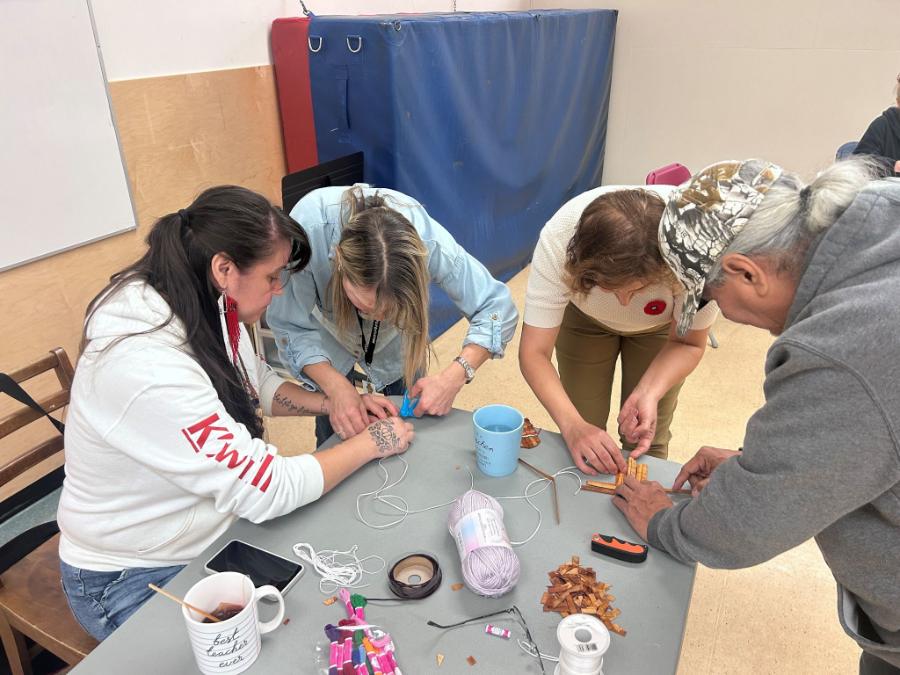
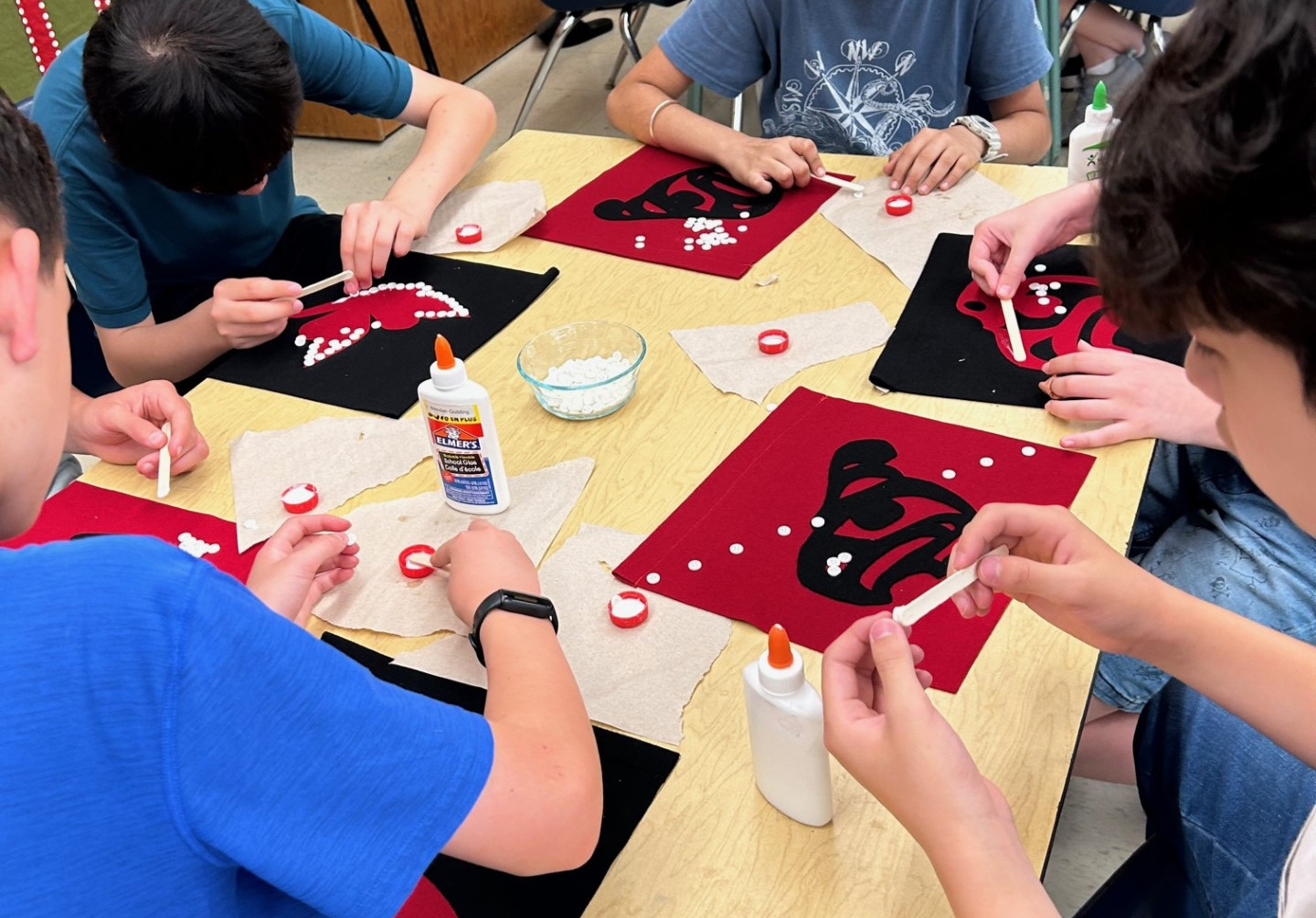
Once upon a time, when families were embedded in healthy, interconnected communities, all adults and Elders were the teachers. The classrooms were the forests where teachings of Mother Earth, the plants, the trees, and the waters were shared. History and values were taught through legends. Children were taught how to live, how to feed their families, make their tools and be generous to each other.
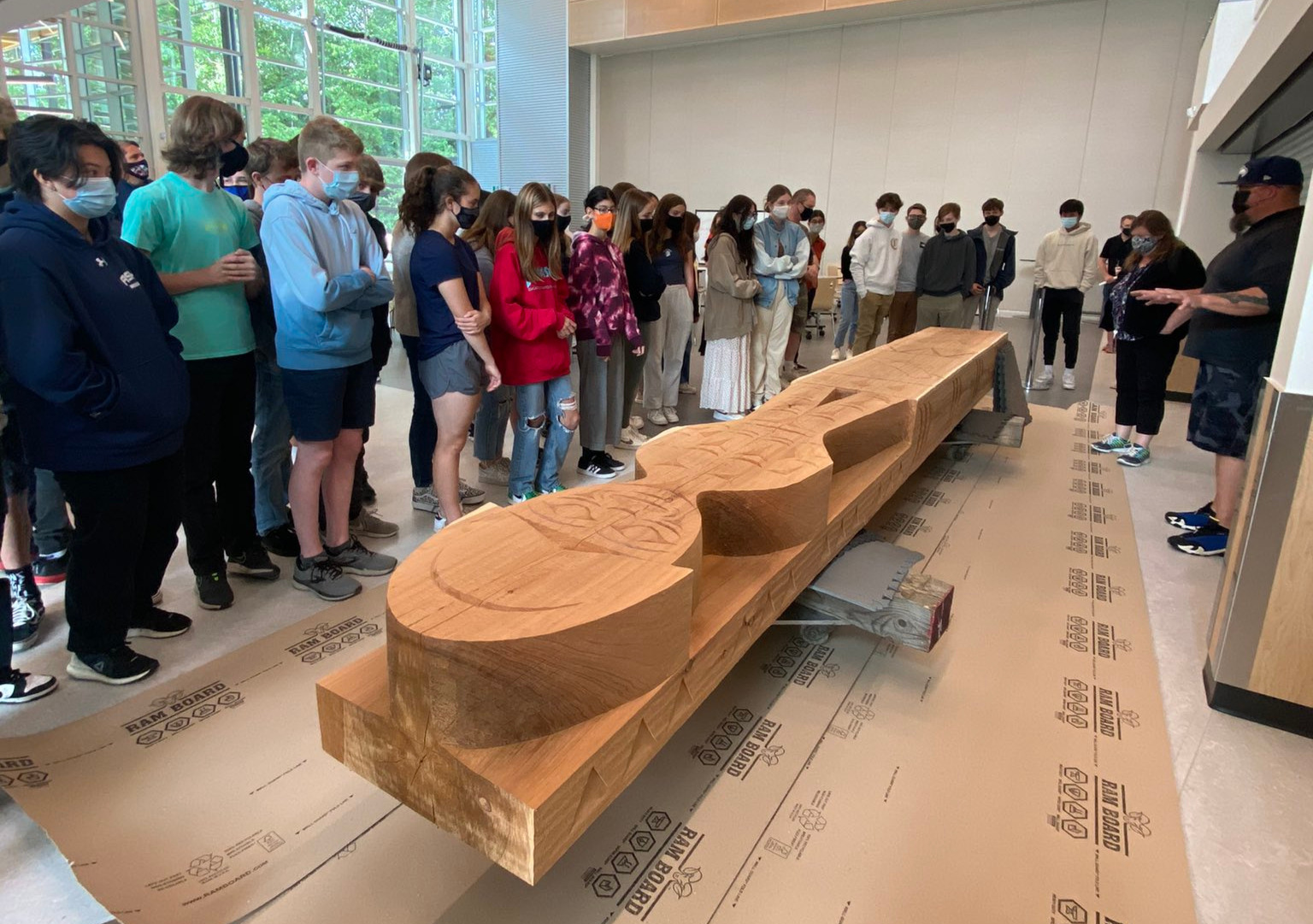
Education was experiential and relevant. Education was lifelong, it was passed on from generation to generation, and mastery had intrinsic value. Everyone had a gift to share with the community, which increased each person’s sense of belonging. Stories were told through welcome poles. The language, culture and art were intermingled, and not taught in isolation.
Developed by the North Vancouver School district Indigenous Education team (2013).
Ta néwyap means hello in Skwxwú7mesh Snichim (Squamish language)
ʔəm̓i ce:p kʷətxʷiləm means welcome in hən̓q̓əmin̓əm̓ (spoken by Tsleil-Waututh people)
The North Vancouver School District acknowledges and honours the history and culture of the Skwxwú7mesh and Tsleil-Waututh First Nations in whose territory we reside. The Skwxwú7mesh Nation, Tsleil-Waututh First Nation and Métis Nation of British Columbia are key partners in ensuring success for students of Indigenous ancestry.
The North Vancouver School District’s Indigenous Education program delivers culturally-appropriate educational programs and services to support the academic and personal success of students who self-identify as being of Indigenous ancestry. The term “Indigenous ancestry” embraces all First Nations, status and non-status; Inuit; and Métis peoples.
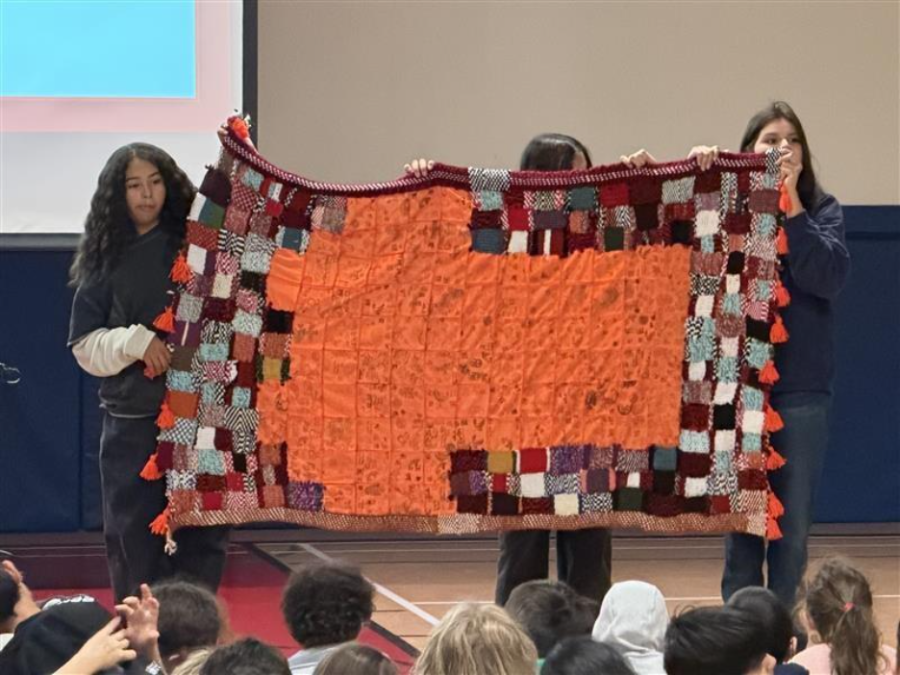
The North Vancouver School district champions truth, healing and reconciliation. Through the Indigenous Education team, we have committed to three pathways that guide our actions in informing our work: students, educators and community.
We invite you to visit this website to learn more.